

Service Category
Red Seal Water Heater Plumber Services
No hot water, a leaking tank or planning an upgrade? We repair, replace, install and maintain gas, electric and tankless water heaters, including tank flushing and tankless descaling.
Service Category
Water Heater Plumber



How we handle these jobs
Read this before you book
No hot water, a leaking tank, uneven temperature, unfamiliar noises, or an error code can point to very different problems. The first step is identifying the equipment, the symptom, and whether the issue is a repair, replacement, installation, tankless, flushing, or maintenance question. The Crazy Plumber assesses gas, electric, and tankless water heaters and explains the practical options before work begins.
Start With the Symptom and the Equipment
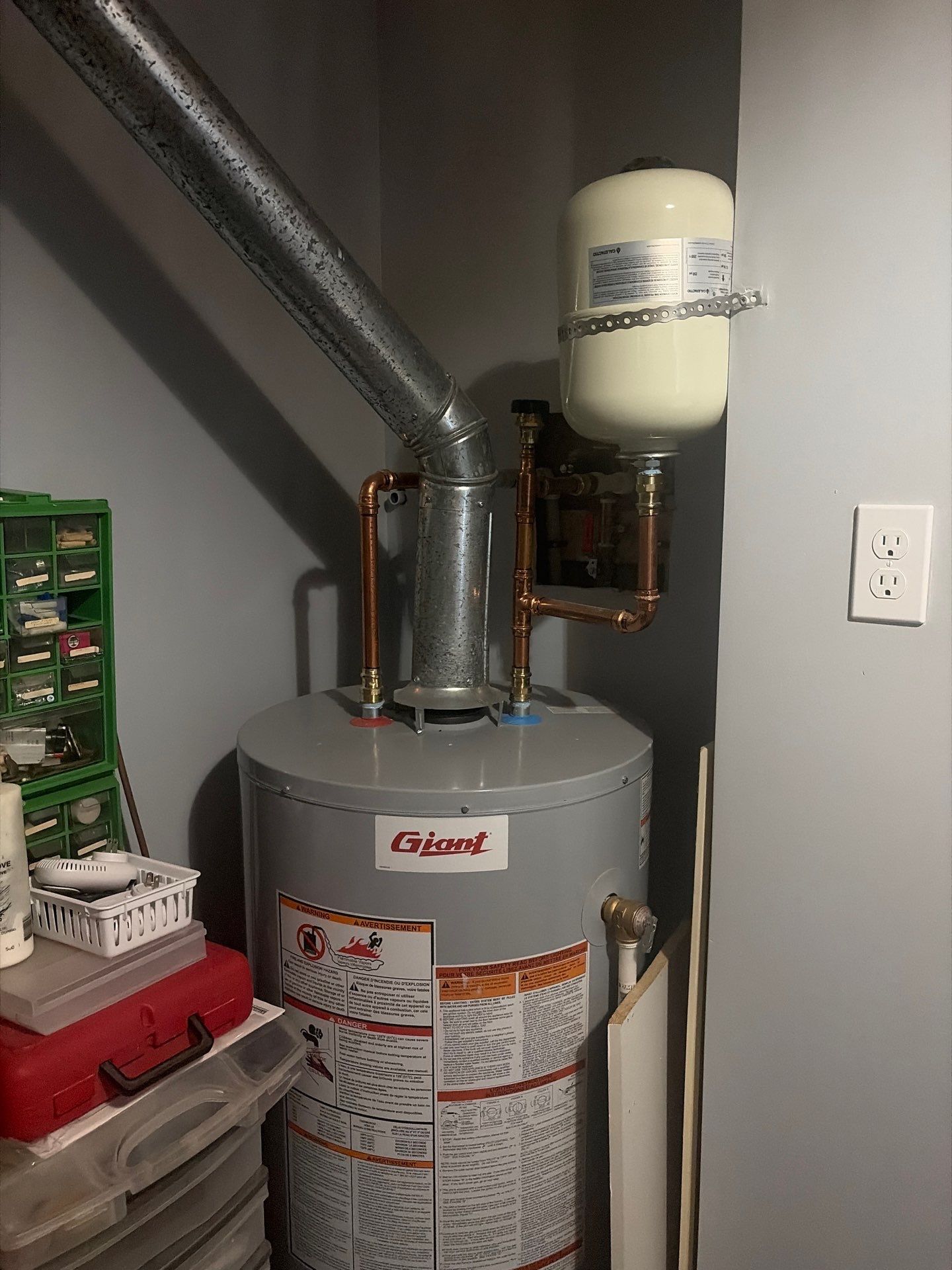
A storage tank and a tankless unit can produce the same complaint for different reasons. No hot water may involve a gas, electrical, control, flow, or supply problem. Water near a tank may come from a fitting, valve, drain, element gasket, or the vessel itself. Rumbling, reduced capacity, repeated faults, and temperature changes also need diagnosis before they become a replacement decision. Tell us what you see, hear, or smell, the equipment type, its approximate age, and where it is installed.
Compare Storage, Tankless, and Heat Pump Options
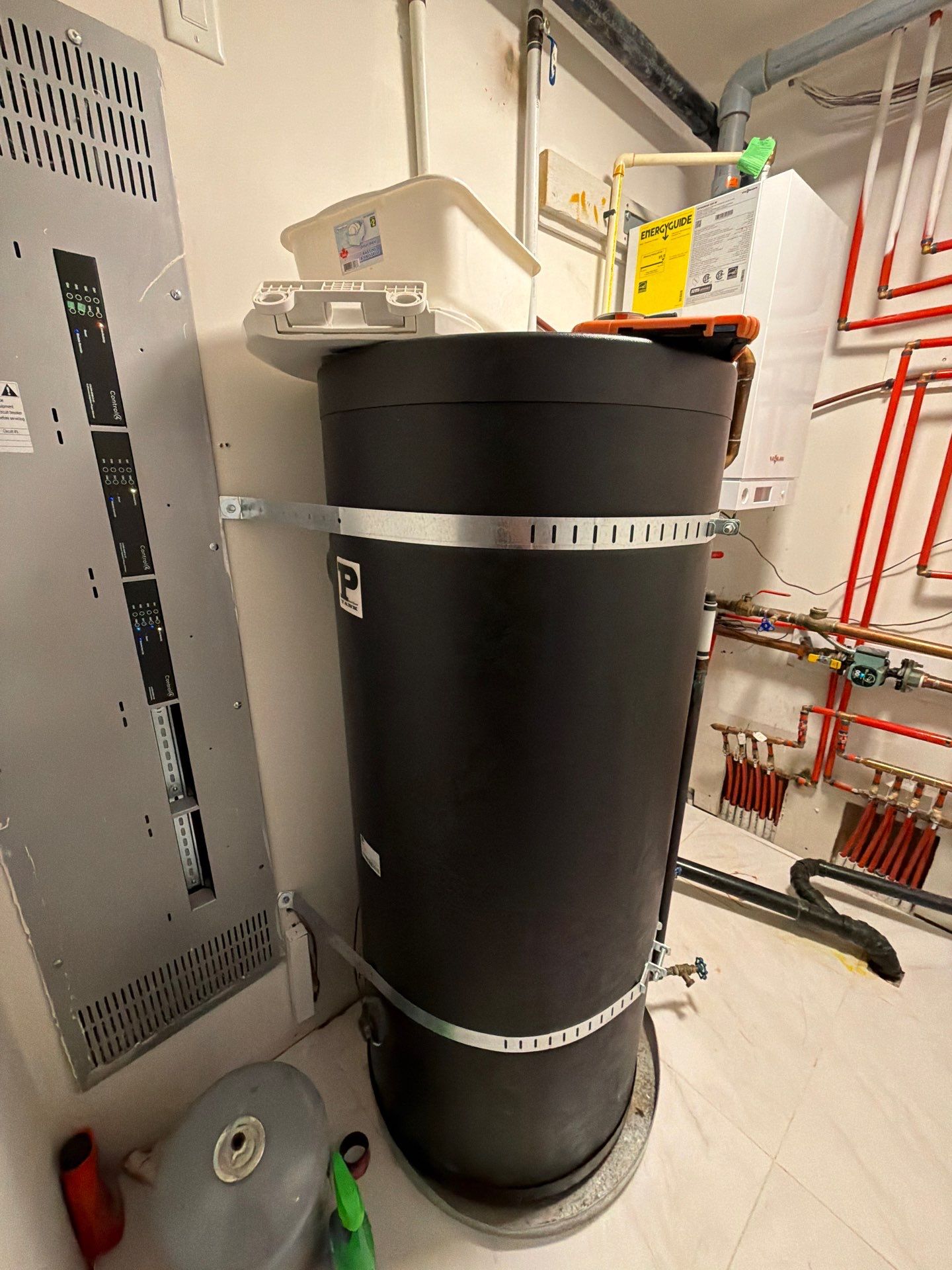
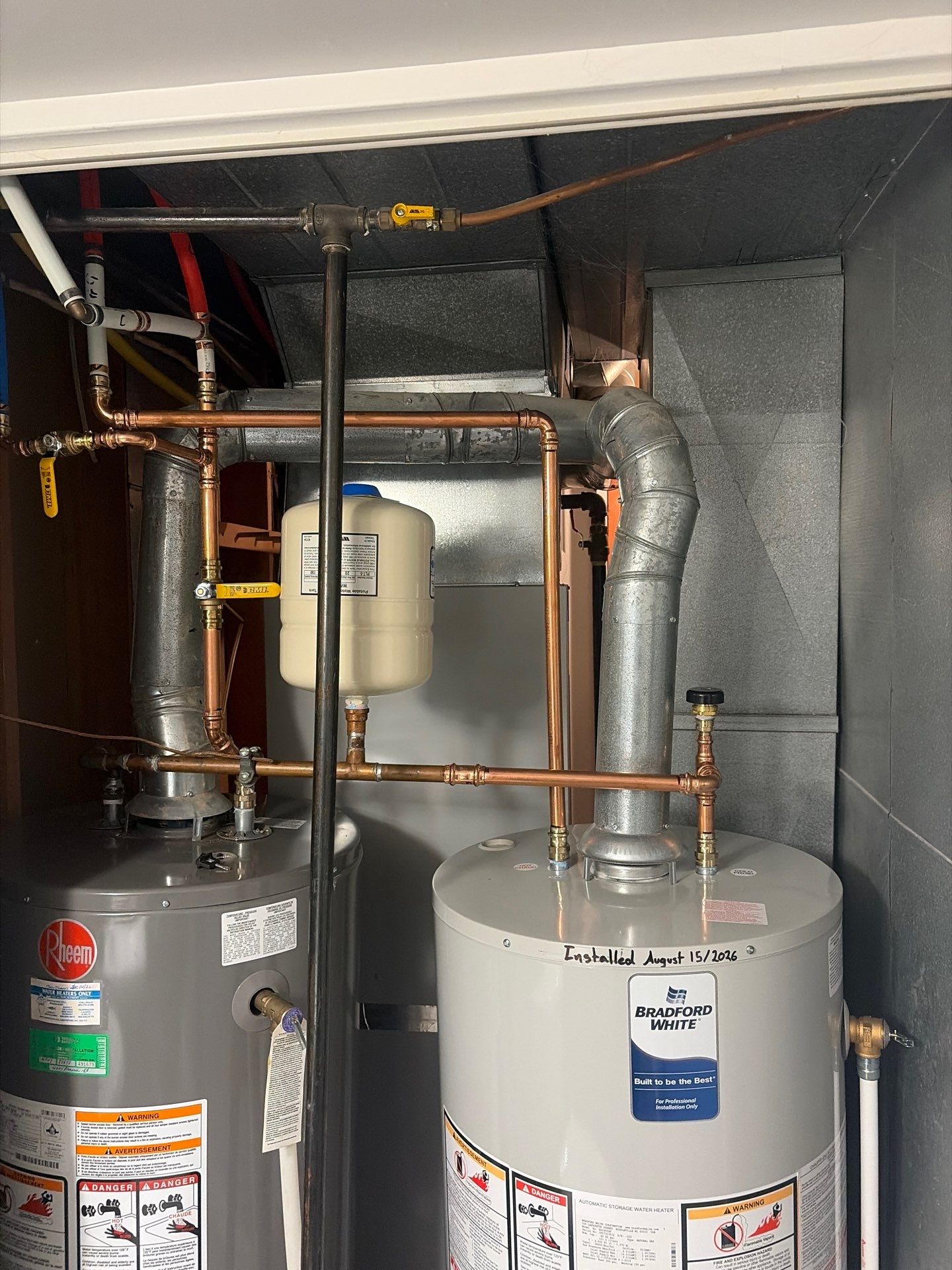
A storage water heater keeps a reservoir ready for use. Gas and electric tanks differ in fuel, controls, venting, recovery, installation requirements, and repair points. A replacement can be straightforward when the new unit closely matches the existing installation, but changes in size, fuel, location, venting, or electrical supply turn the work into a design decision.
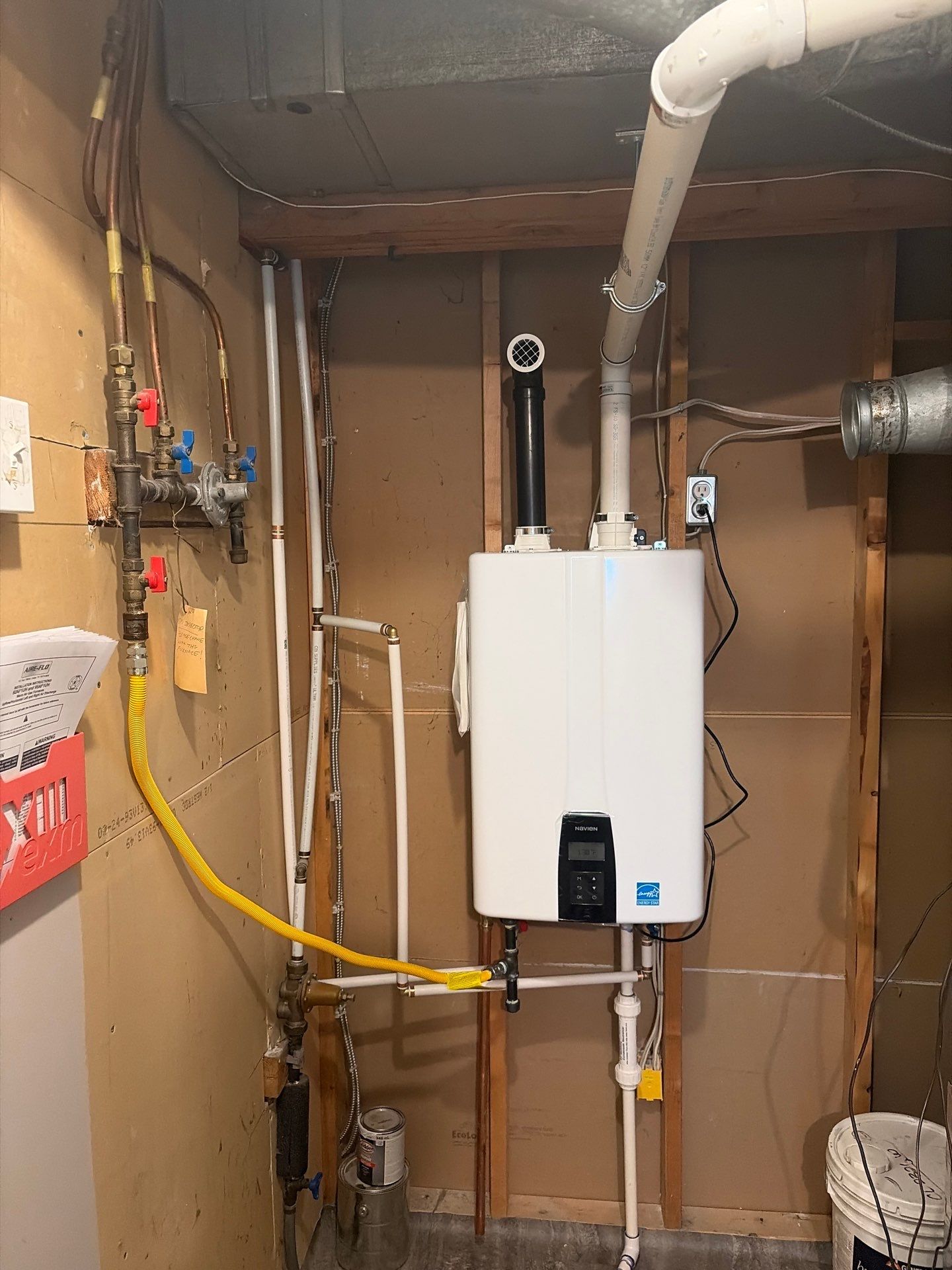
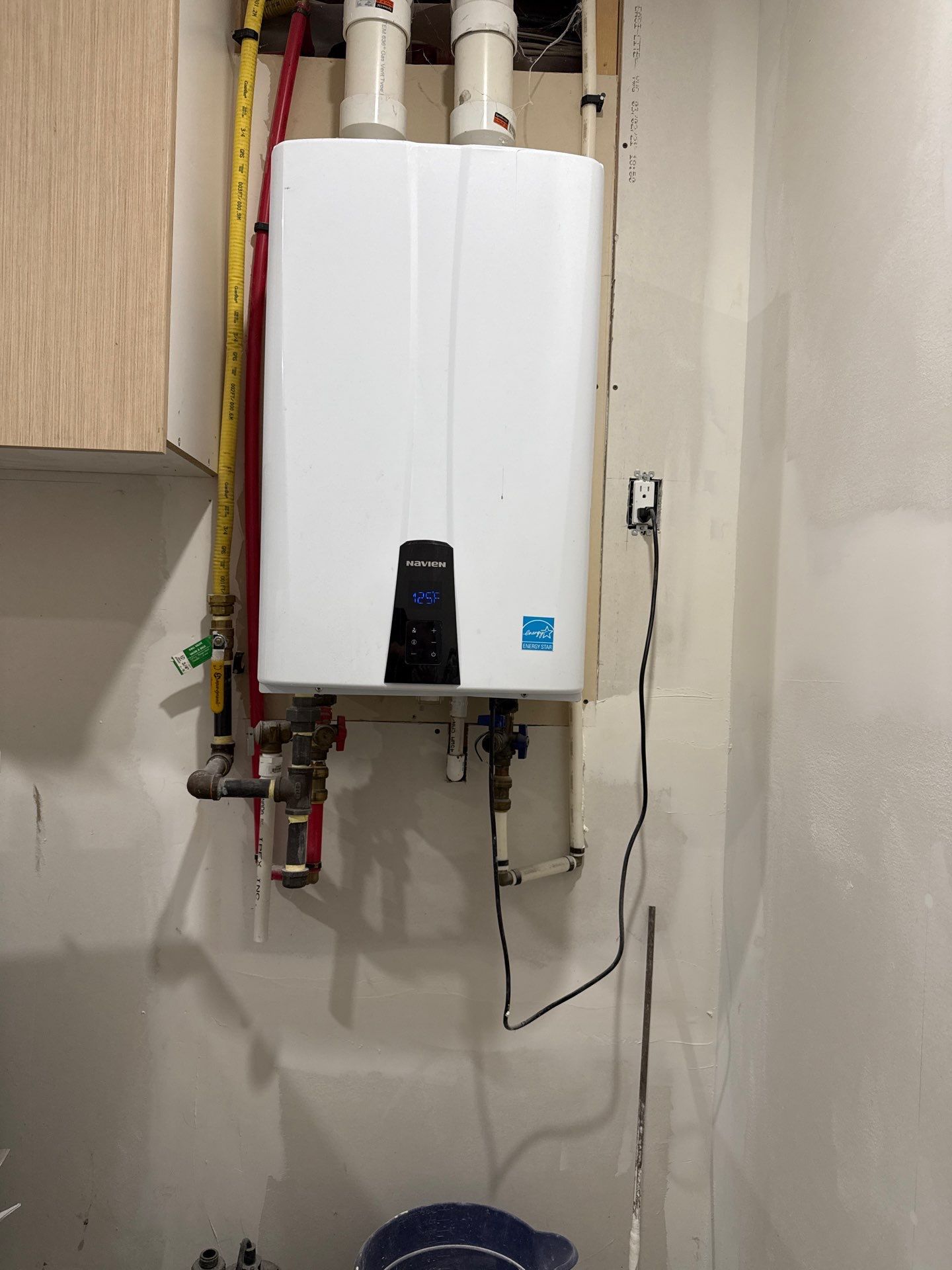
A tankless water heater heats water as it flows. Its output is limited by the selected unit’s rated performance at the required temperature rise, so household peak demand and incoming-water temperature matter. Gas capacity, venting, condensate drainage, electrical power, service access, and recirculation may also affect fit. Tankless Water Heaters provides the comparison guide, while Tankless Water Heater Installation covers installation assessment.
A heat pump water heater is an electric storage system that moves heat from the surrounding air into the water. Space, airflow, condensate drainage, electrical capacity, sound, and the effect on the room all matter. An installation may qualify for current utility or provincial incentives, but eligibility must be checked for the homeowner, equipment, utility, and installation date.
Warning Signs Worth Acting On
Call for assessment when hot water disappears, temperature changes without explanation, a breaker trips, a pilot or burner will not operate normally, a tankless controller shows a recurring code, or a unit begins making new sounds. Water at the base of a storage tank needs prompt source tracing because fittings and valves may be repairable, while a leaking vessel generally requires replacement.
Never cap or block a temperature-and-pressure relief discharge. A dripping or discharging valve needs diagnosis because the cause may involve the valve, water temperature, system pressure, or thermal expansion. If you smell natural gas, stop what you are doing, go outside without using switches or a phone inside, and call FortisBC at 1-800-663-9911 or 911 from a safe location. If a carbon monoxide alarm sounds or exposure is suspected, get everyone outside and call 911 or FortisBC.
Equipment age is context, not a verdict. The rating plate, maintenance history, leak source, vessel condition, exact fault, warranty, parts availability, and installation all matter when comparing repair with replacement. Insurer and strata requirements also vary, so check the policy, bylaws, notices, and approval process that apply to the property.
Maintenance Follows the Equipment and Its History
Maintenance is not one universal calendar. The appliance manual, water source and chemistry, household demand, installation, symptoms, and previous service determine what is appropriate. Storage-tank flushing and tankless descaling are different procedures. Anode access, relief-valve testing, gas-side checks, electrical assessment, filters, condensate components, and venting also depend on the equipment and safe scope of work.
Hot-water temperature must balance bacterial control with scald prevention. Current federal guidance recommends storing water at 60 C and using appropriate tempering so water delivered at faucets, showers, and tubs is no more than 49 C. The correct setup depends on the system and applicable requirements.
What a Proper Assessment Checks
A replacement or installation assessment looks beyond the appliance. It checks the fuel or electrical supply, venting, combustion air where applicable, water connections, shutoffs, relief discharge, system pressure, thermal expansion, drainage, access, equipment location, and manufacturer requirements. A pan, drain, seismic restraint, expansion control, electrical work, or other protection may be required or advisable depending on the property, system, equipment, and applicable authority.
The Crazy Plumber is a Technical Safety BC (TSBC) licensed gas contractor, TSBC licence No. LGA0213328. Regulated gas work follows the authorization process applicable to the job and jurisdiction. A qualifying like-for-like replacement in TSBC jurisdiction may use the replacement-appliance decal process, while venting changes, fuel changes, and tank-to-tankless conversions use the applicable permit route. Fixed wiring and electrical-supply work are completed or coordinated by an appropriately licensed electrical contractor where required.
Size the System Around Real Demand
Storage-tank sizing uses first-hour rating, recovery, household demand, fixture mix, available fuel, electrical capacity, venting, space, and future plans. Tankless sizing uses inlet-water temperature, desired outlet temperature, simultaneous demand, and the selected manufacturer’s flow table at the required temperature rise. Heat pump systems add room volume, airflow, condensate, sound, and electrical considerations. The useful questions are what runs at the same time, where the equipment can go, and which existing services can support it.
Long Pipe Runs and Recirculation
A delay at a distant fixture usually comes from the volume of cooled water in the hot-water line, not from how quickly the heater produces hot water. Recirculation can reduce the wait, but the right approach depends on the plumbing layout, equipment, controls, insulation, energy use, and whether a dedicated return line exists. Tankless systems must be matched to a compatible recirculation design and the selected manufacturer’s requirements.
Straight Answers to Common Questions
Why does my hot water smell unusual?
An odour limited to hot water can involve the water heater, anode material, water chemistry, or microbial activity, but odour alone does not identify the cause. If the smell resembles natural gas or appears near gas equipment, leave the building and use the emergency guidance above. If it affects both hot and cold water, the source may be elsewhere in the water system.
Can a leaking water heater be repaired?
It depends on the leak source. Connections, valves, drain fittings, relief discharge, and some component seals may be repairable. Water coming from the storage vessel or jacket usually means the vessel has failed and replacement is required. Diagnosis should identify the source before a repair or replacement decision.
Should I switch from a storage tank to tankless?
Tankless may suit a household that values continuous hot water within the unit’s rated capacity, floor space, and a long-term equipment plan. Another storage tank may be simpler when demand is modest or the property would need significant gas, venting, condensate, electrical, or plumbing changes. Compare the complete installation scope, household demand, maintenance expectations, and selected equipment rather than one headline feature.
Choosing the Right Next Step
Start with the problem you have now. Repair is the right first conversation when the fault may be in a replaceable component or another part of the plumbing system. Replacement applies when the storage vessel has failed or the repair no longer makes sense for the equipment’s condition. Installation applies when the project changes location, fuel, technology, capacity, venting, or electrical supply. Maintenance and flushing are condition-based services, not substitutes for diagnosis.
Water Heater Services
Tankless Water Heater Installation
Schedule Water Heater Service
Schedule Your Plumber or Call The Crazy Plumber at (236) 552-0190. Call to confirm current availability.
Category Details
- Tri-Cities
- Vancouver Core
- North Shore
- Fraser Valley
Schedule Service
Tell us what you are seeing and where you are. Port Coquitlam HQ, serving the Tri-Cities, Vancouver Core, the North Shore and the Fraser Valley.