
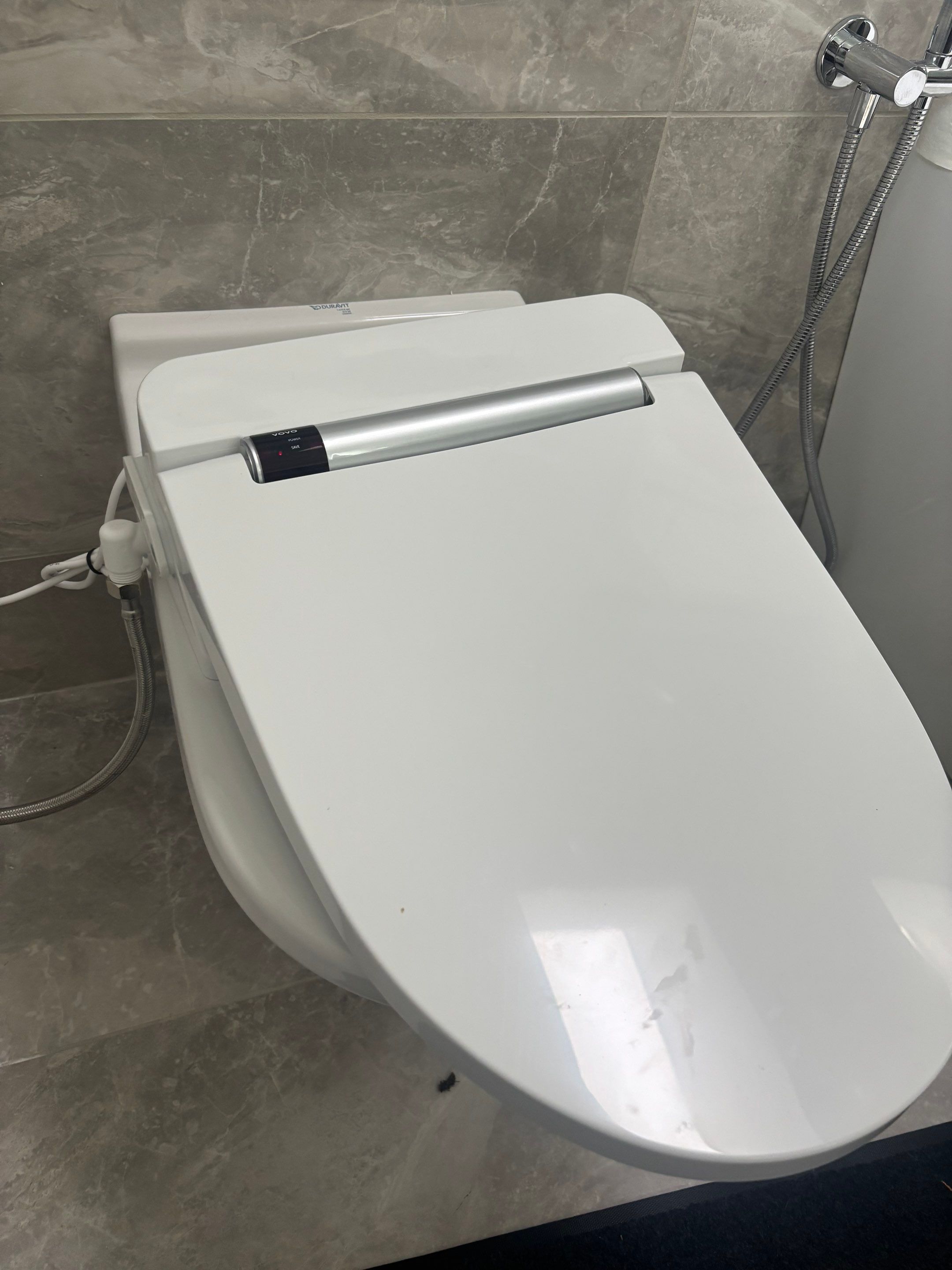
Bidet Installation
Services offered in: Tri-Cities, Vancouver Core, The North Shore, and The Fraser Valley
A bidet upgrade can be as simple as adding a non-electric attachment or as involved as replacing the toilet with an integrated fixture. The right installation depends on the product, toilet shape, water connection, available power and the needs of the people using the bathroom.
What We Do
- Confirm the bidet and toilet models, clearances, shutoff condition and water connection.
- Review the electrical plan for powered models and identify any separate electrical work required.
- Isolate the water safely and address unsuitable supply components within the agreed scope.
- Mount the fixture and make the approved water connections, with hoses routed appropriately.

Same-Day Service
Free Quotes
Free Estimates
Crazy Fast Plumbers
About this service
Bidet Installation
A bidet upgrade can be as simple as adding a non-electric attachment or as involved as replacing the toilet with an integrated fixture. The right installation depends on the product, toilet shape, water connection, available power and the needs of the people using the bathroom. Checking those conditions before purchase helps prevent poor fit, awkward hose routing, unreliable connections and electrical surprises. The Crazy Plumber installs bidet attachments, electric bidet seats, smart toilets and standalone bidets, with the plumbing scope matched to the selected fixture and the existing bathroom.

Which Bidet Is Right for Your Bathroom?
A non-electric attachment mounts beneath the existing toilet seat and connects to the toilet’s cold-water supply. It does not need an outlet, which can make it practical in bathrooms without nearby power. The trade-off is water temperature. The wash will reflect the temperature of the incoming supply unless the selected product has another approved water connection. Comfort expectations, hose routing and the product’s installation instructions should be reviewed before purchase.
An electric bidet seat replaces the existing seat and may include heated water, a heated seat, adjustable spray, drying and controls, depending on the model. It needs a compatible toilet, a suitable water connection and electrical planning based on the manufacturer’s current instructions. Do not assume an outlet elsewhere in the room is suitable. Have a qualified electrician confirm the outlet location, circuit and protection required for the selected model before installation.
An integrated smart toilet combines the toilet and bidet functions in one fixture. This is a complete toilet installation, so rough-in dimensions, water supply, electrical requirements, service access and manufacturer clearances all need to be checked. A standalone bidet is a separate fixture with its own drainage and water connections. It is usually planned during a renovation because it requires floor space and dedicated plumbing. For many existing bathrooms, an attachment or seat is the less disruptive option, but the best choice depends on the room and the household.
What a Proper Installation Involves
The water connection is usually made at the toilet supply, but the existing shutoff, supply line and fill-valve connection should be inspected first. Worn valves, damaged threads or rigid connections can turn a simple upgrade into a leak risk. The connection must be assembled without cross-threading or over-tightening, then checked under pressure before the installation is considered complete.
Power and fit are the other two checks. Electric models need an outlet arrangement that meets the selected product’s instructions and the requirements for the bathroom. If the room is being renovated, confirm the electrical plan before the wall is closed. For fit, compare the bowl shape, mounting-hole spacing, available seat length and clearance near the tank. Some one-piece or curved-tank toilets leave too little room for the mounting hardware. Confirm the exact toilet and bidet models together before ordering.
Why Households Are Adding Them
Homeowners often consider bidets for personal hygiene, comfort, reduced paper use and easier bathroom routines. Controls, seat height, spray adjustment, drying and remote operation can matter for people with limited reach, grip or mobility. Accessibility needs are individual, so the fixture should be selected around the person using it rather than a generic feature list. If the toilet is also being replaced, planning both fixtures together helps confirm fit and connection requirements before work begins.
Features Worth Paying For, and Features That Are Just Buttons
Start with the features that solve a real household need. Water-temperature control, spray adjustment, seat heat, drying and an easy-to-reach control may matter more than decorative lighting or extra presets. A remote can be easier to use than a side panel for someone with limited reach or rotation. Before buying, review the model’s dimensions, electrical requirements, cleaning instructions, warranty terms and availability of replacement parts. The fixture should fit the toilet and remain practical to maintain after installation.
What The Crazy Plumber Does
The Crazy Plumber can review the toilet shape, tank clearance, selected bidet model, shutoff condition, supply connection and electrical plan before installation. The plumbing work may include shutting off the water, replacing an unsuitable supply component, installing the approved connection, mounting the fixture, routing hoses and checking for leaks. Electric seats and smart toilets are tested according to the selected model’s controls and instructions. Standalone bidets require a broader renovation scope with dedicated drainage and water connections.
Planning for Water Temperature, Power and Accessibility
Incoming water temperature can make a non-electric attachment feel different from an electric model with heated-water features. Decide how important temperature control is before choosing the fixture. Bathrooms built or renovated before powered toilet accessories became common may not have a suitable nearby outlet, while newer suites and multiplexes still need model-specific verification. If the room is being renovated, coordinate plumbing, electrical work and fixture clearances before finishes are installed. For multi-generational households or anyone planning for changing mobility, compare control location, reach, seat height and drying options as part of the fit review.
Schedule Your Plumber for a bidet installation, compatibility check or toilet-and-bidet upgrade.
Call The Crazy Plumber at (236) 552-0190 if you want to discuss the fixture, existing toilet or site conditions before booking.
Service details
- Tri-Cities
- Vancouver Core
- North Shore
- Fraser Valley
Spot the signs
What to Check Before Installing a Bidet
- Confirm the exact bidet and toilet models, bowl shape and mounting clearances.
- Check the shutoff, supply line and connection condition before installation.
- Review the selected product's water-connection and hose-routing requirements.
- For an electric model, have a qualified electrician confirm the power arrangement required by the manufacturer.
- Allow for dedicated water and drainage connections if you are planning a standalone bidet.
Job steps
How We Plan and Complete a Bidet Installation
- Confirm the bidet and toilet models, clearances, shutoff condition and water connection.
- Review the electrical plan for powered models and identify any separate electrical work required.
- Isolate the water safely and address unsuitable supply components within the agreed scope.
- Mount the fixture and make the approved water connections, with hoses routed appropriately.
- Check for leaks and test the installed functions according to the selected model's instructions.
Before you book
Questions homeowners ask
Fit depends on bowl shape, mounting-hole spacing, seat length and tank clearance. Elongated and round bowls need different seat shapes, and some one-piece toilets leave limited room for mounting hardware. Check the toilet model, measure it according to the bidet manufacturer’s instructions and confirm compatibility before purchase.
A non-electric attachment does not need an outlet. An electric seat or smart toilet usually does, but the exact electrical requirements depend on the selected model and the bathroom. Have a qualified electrician confirm the outlet location, circuit and required protection. If the room is being renovated, make that decision before the wall is closed.
Common bidet seats and attachments connect to the toilet’s incoming water supply before the water enters the tank. The exact water path and any filtration or cleaning features depend on the product, so review the manufacturer’s current instructions for the selected model.
Water and electricity use vary by model, temperature settings, heater design, standby mode and household use. Check the current product specifications before buying, especially if electrical capacity or operating cost is a concern. A non-electric attachment uses no electricity.
Ryan did an excellent job diagnosing the leakage and replacing the faulty cartridge. 5 star service 👌
Got my hot water tank replaced by Karn and he fixed a leaky spiget outside my garage on the house. 10/10 guy knowledgable, honest, would trust him to work on my house again.
Karn was super polite and very knowledgeable. Provided phenomenal service in a quick and timely matter. Would not hesitate to recommend him to anyone else. I’ll make sure to call him again for any my plumbing needs.
The service was prompt and Jordon was very knowledgeable. He explained the issue and provided us with multiple options foe our leaky faucet. Will recommend.
Book online
Great job Randeep!