
Plumber in Coquitlam, BC
The Crazy Plumber
Providing free quotes on plumbing repairs, installations and replacement for homeowners across the Tri-Cities, the Vancouver Core, the North Shore and throughout the Fraser Valley. Call The Crazy Plumber at (236) 552-0190.
The Crazy Plumber Services
Try water heater, toilet or sump pump

Bathroom PlumberBathroom Plumber
All services
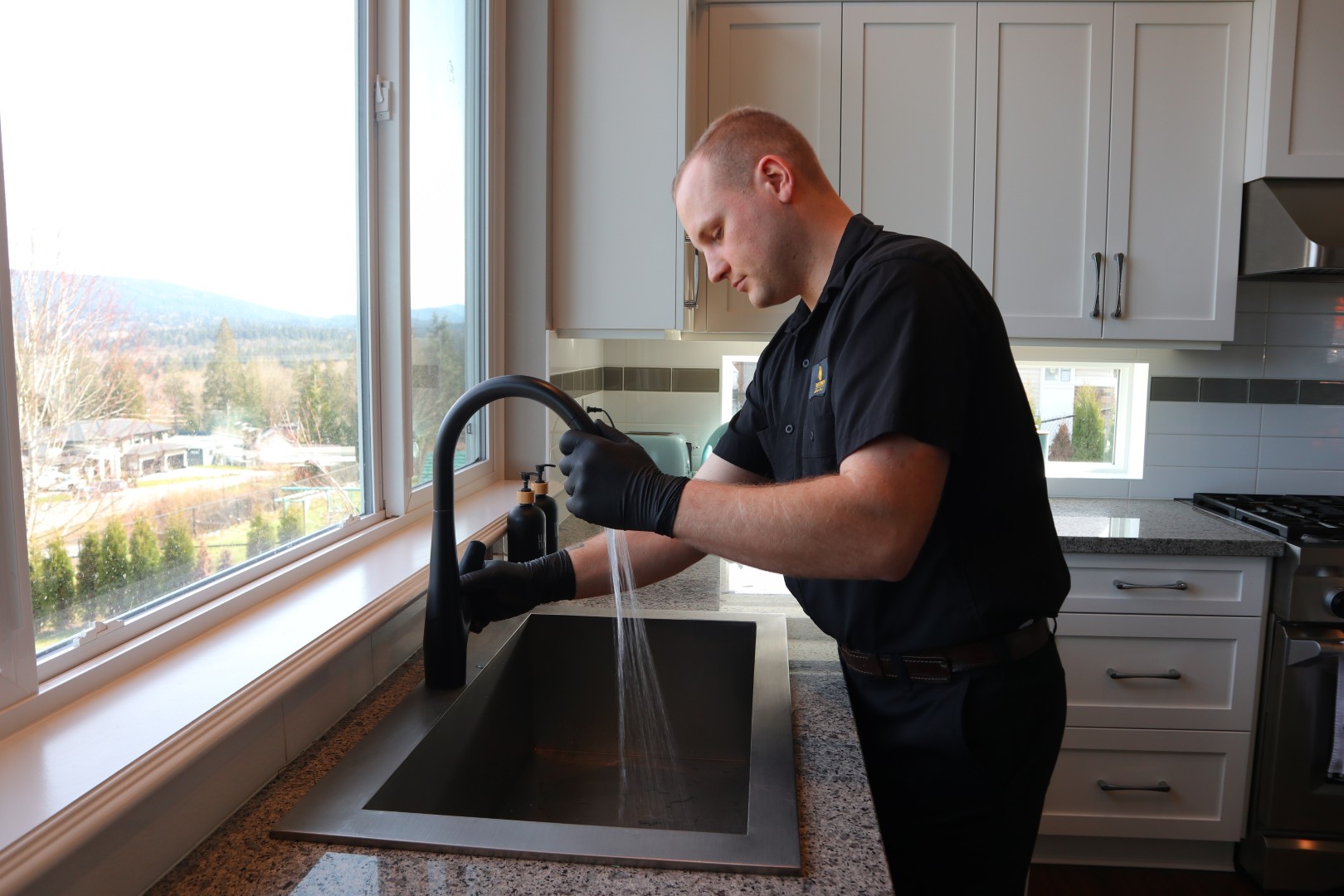
Kitchen PlumberKitchen Plumber
All services

Residential PlumberResidential Plumber
All services

Water Heater PlumberWater Heater Plumber

Clogged Drain PlumberClogged Drain Plumber

Gas Line PlumberGas Line Plumber
All services

Outdoor PlumberOutdoor Plumber
All services

Leaking PipesLeaking Pipes
All services

Plumbing InspectionsPlumbing Inspections
All services

Plumbing MaintenancePlumbing Maintenance
All services

Poly B PipePoly B Pipe
All services

Sewer LinesSewer Lines
Service areas
Local Plumbers Serving Tri-Cities, Vancouver and the Fraser Valley
Head office
Port Coquitlam, BC
2071 Kingsway Ave #711, Port Coquitlam, BC V3C 6N2
Expert Red Seal plumbers serving 18 cities across the Tri-Cities, Vancouver Core, North Shore and Fraser Valley. Pick your city to see local plumbing services.

Google reviews
The Crazy Plumber's Service Reviews from Local Residents
Real Google reviews from Crazy Plumber customers. Pick a service to read reviews from homeowners who had the same job done.
No reviews for this service yet. Pick All to read every review.
Book a plumber
Schedule Plumbing Service with The Crazy Plumber
Red Seal plumbers serving the Tri-Cities, Vancouver Core, North Shore and Fraser Valley.
Plumbing questions
Plumbing FAQs from The Crazy Plumber
A blockage limited to one sink, tub, shower, or toilet is usually located in that fixture's trap or branch drain.
A blockage may be farther downstream when several fixtures slow down or back up together. Warning patterns include a toilet making a tub gurgle, a washing machine causing another drain to overflow, or wastewater rising through a floor drain.
Stop using water and arrange a professional inspection when multiple fixtures are affected or sewage is backing up.
Drain snaking is commonly used to open everyday blockages in sinks, tubs, toilets, and branch drains. It breaks through or retrieves the obstruction so water can move again.
Hydro jetting uses controlled high-pressure water to scour grease, scale, and other buildup from the interior pipe surface. It may be considered for grease-heavy lines, recurring restrictions, or some root intrusion.
The pipe should be evaluated first because hydro jetting is not appropriate for every damaged or weakened drain line.
A slow kitchen sink may be caused by grease, food debris, soap residue, or buildup farther inside the drain line. If basic cleaning does not correct the issue, the line may need professional drain cleaning.
Repair may be possible when the leak comes from a drain valve, temperature-and-pressure relief valve, inlet or outlet connection, or an electric element gasket.
Replacement is normally required when water is escaping from the tank body, welded seam, or internal vessel. Those leaks indicate that the storage tank itself has failed.
The source must be identified before deciding whether repair or replacement is justified.
Probably not. That symptom is the textbook signature of a failed lower element or lower thermostat, one of the cheapest repairs we do. We test both circuits, replace the failed part, and your full tank capacity comes back the same day. Replacement only enters the conversation if the tank itself is old or the vessel is compromised.
Behind the upper access panel on the tank's side, a red button on the high-limit switch. Kill the breaker before opening any panel, press it once, restore power, and give the tank an hour or two. If it trips again, stop pressing and call: repeated trips mean a real fault, usually a stuck thermostat or shorted element, and the button is the safety device, not the fix.
Main shutoff, now. Every house has one where the water enters, and closing it stops the loss at the source no matter where the leak is. Then move what you can and photograph the rest. Call us. Leaks are same-day service.
Shut the main and move what's underneath. Water in a ceiling is already sitting in the cavity above, so what you can see is the overflow rather than the whole of it. Don't poke the bulge unless you have a bucket ready and somewhere for it to drain. We come out same day for this.
Growing is the word that matters. A stain that's stable is history. One that's spreading is fed, which means water is still arriving. Feel it, mark the edge with a pencil, and check in an hour. If the mark has moved, shut the main and call. That pencil line tells us more than a description does.
Almost always the flapper or the fill valve. A worn flapper lets water creep from tank to bowl until the valve refills it, over and over, all night. A fill valve that never quite shuts does the same thing from the other direction. Both are small parts. Both waste a startling amount of water before you ever notice.
That is a phantom flush, and it means water is escaping the tank slowly enough that you never hear it. The flapper seal or the seat it lands on has gone rough. The fill valve just does its job and tops the tank back up. A new flapper usually ends it; if the seat itself is scored, we deal with that too, or the new one just fails again.
Sudden is the useful word here. Gradual weakening points to mineral buildup in the rim holes. Sudden points to something that changed: a flapper closing early, a chain with too much slack, a dropped tank water level, or a partial restriction downstream. We look in the tank first, because looking there costs nothing.
That's not premature, it's arithmetic. A kitchen tap gets used dozens of times a day where a bathroom one might get four. The cartridge inside wears on cycles, not on calendar years, so a busy kitchen faucet reaches the same wear in a fraction of the time. We replace the cartridge, not the faucet.
The counterweight on the hose has slipped, come off, or is snagging on something under the sink. It is a small cylinder clamped to the hose that pulls the head back down, and it needs a clear run to do it. Nine times out of ten we find it hung up on a shutoff or the disposal.
The connector or its washer has given up. Sprayer heads take a beating: they get dropped, twisted, and pulled against the same fitting thousands of times. Sometimes it's a two-dollar washer. Sometimes the head and hose are sold as one assembly and that's the repair. We check which one you've got before ordering anything.
Municipal programs generally require a certified cross-connection control tester to perform the annual test with calibrated equipment and submit the result.
A homeowner can still inspect the assembly for visible leaks, corrosion, freezing damage, or missing components. Those observations do not replace the certified test.
Before applying heat, locate the main water shutoff because a frozen section may already be split. Thawing can release water through the damaged pipe.
Use gentle heat and work from the open faucet toward the frozen section. Suitable methods include warming the room, opening cabinets, or using a hair dryer. Never use a torch or open flame.
Stop and call a plumber when the pipe is inaccessible, visibly damaged, or begins leaking.
Once per year for testable assemblies (PVBs, DCVAs, and RPs) under municipal cross-connection control programs in the Tri-Cities. The clock typically runs from the installation date or the last passing test. Your municipality sends a reminder, but the responsibility to test sits with the property owner, so it's worth putting on your own calendar too.
Plumbing blog



.webp)