
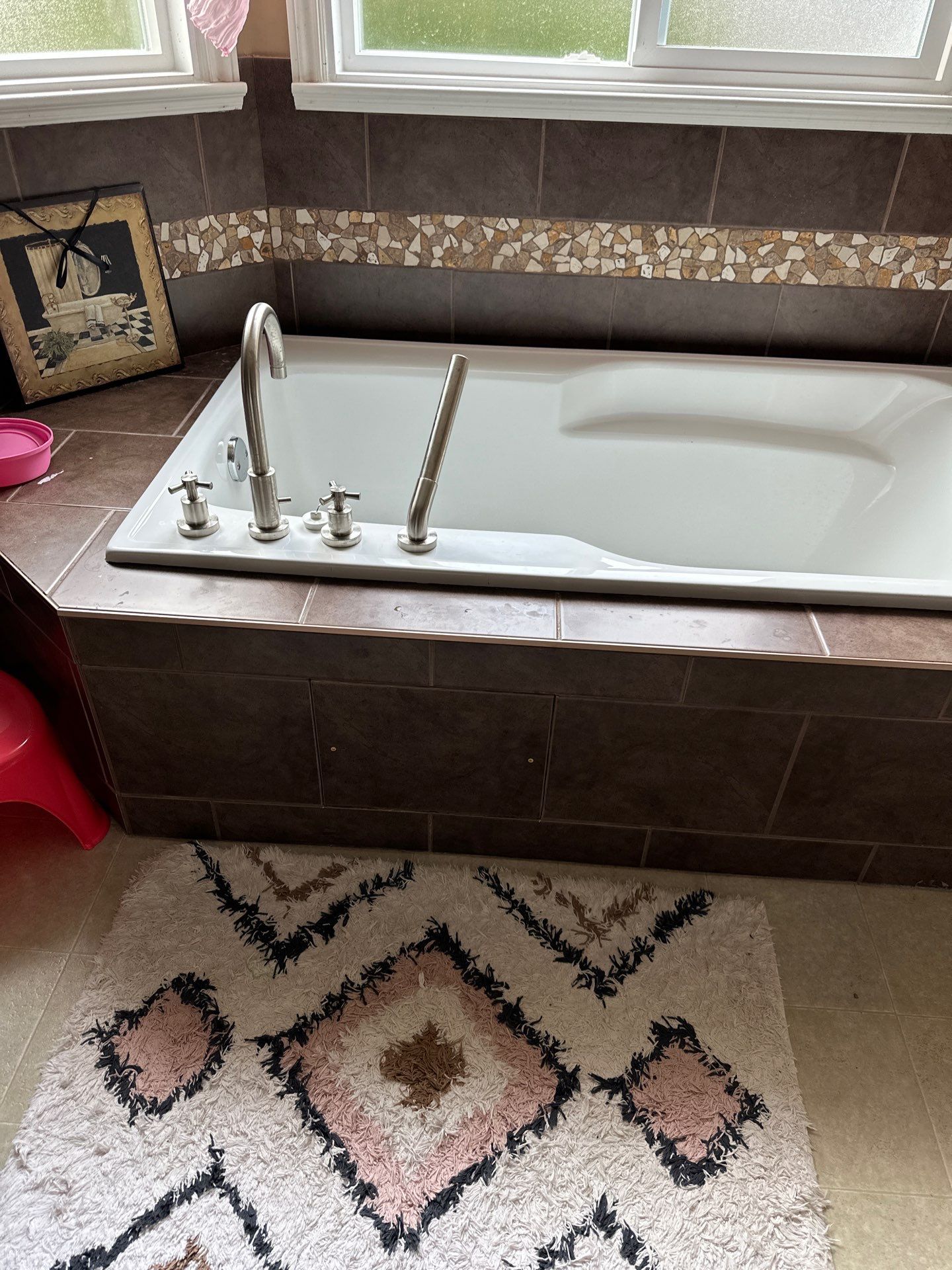
Bathtub Installation
Services offered in: Tri-Cities, Vancouver Core, The North Shore, and The Fraser Valley
Bathtub Installation covers both first-time installations and full bathtub replacements.
What We Do
- Confirm the fixture and project scope.
- Remove the existing tub when replacement is part of the job.
- Prepare the support and connections.
- Connect the bathtub plumbing.

Same-Day Service
Free Quotes
Free Estimates
Crazy Fast Plumbers
About this service
Bathtub Installation
Bathtub Installation covers both first-time installations and full bathtub replacements. The work can include removing an existing fixture, confirming the opening and access route, preparing the support and plumbing connections, setting the new tub, connecting the drain and overflow, and installing or reconnecting the valve, filler and spout. This service covers alcove, drop-in, undermount and freestanding tubs. The right plan depends on the actual room, fixture specifications, structure, access and renovation scope. Measuring and checking those conditions before purchase or demolition helps prevent a tub that does not fit, connections that do not align or finished surfaces that must be reopened.

Choosing the Right Bathtub for Your Home
Tub type shapes the opening, drain position, filler location, support, access and finishing sequence. Start with the room and the fixture specifications, not a label such as standard size.
Alcove tubs sit between three walls and are often paired with a shower. They can suit a replacement where the existing layout is staying in place, but the opening, tub dimensions, drain location and finished wall thickness still need to be measured. Construction era is a useful prompt to check the opening and rough-in, not proof that a particular tub will fit.
Drop-in and undermount tubs sit in a built deck or surround. The deck, access to the drain and valve or filler location must be planned together. These installations usually belong within a broader renovation sequence and may be coordinated through Bathroom Remodel Plumbing.
Freestanding tubs need careful attention to the drain, filler, access route and floor conditions. Compare the selected tub’s specifications and filled weight with the actual structure and installation requirements before ordering or altering the room.
Acrylic, enamelled steel, cast iron and composite tubs differ in weight, feel, sound, finish, price and installation requirements. The useful choice is the one that fits the room, support conditions, maintenance expectations and household needs.
What Can Go Wrong With Bathtub Installation
Many important parts of a bathtub installation become difficult to reach after the apron, deck or wall finish closes. That makes fit, support, alignment and testing especially important before the room is finished.
The tub must be installed using the support method specified for the selected fixture and the actual floor conditions. Inadequate or incorrect support can allow movement, strain the drain and overflow connections or contribute to damage around the tub. The correct method depends on the manufacturer instructions and project conditions rather than one universal material rule.
The waste-and-overflow assembly must align with the trap without being forced into place, and the tub must be set so it drains as intended. The structure also needs to be assessed against the selected fixture and its expected filled load. In condos, townhouses and other multi-unit buildings, access, building procedures and the consequence of a concealed leak can change the work sequence. Routing changes and new installations may also require project-specific municipal, building or strata review before surfaces close.
How Existing Conditions Change the Installation
Construction era and renovation history are useful planning prompts, but they do not prove what remains behind the walls. An older opening may have non-standard dimensions, altered framing, an unexpected drain position or a tub that was installed before later walls and doors narrowed the removal route. Measure the opening and access path, and confirm the existing plumbing rather than assuming a same-size label creates a direct swap.
Building type also changes the sequence. In a condo, townhouse or other strata property, building shutoffs, alteration procedures, elevator or corridor access and responsibility for shared components may need to be confirmed before demolition. A concealed leak can also affect finished space or another unit, so connection testing and access planning deserve extra attention.
Where elevation or pressure may affect filler performance, use a property-level pressure reading and compare it with the selected valve, filler and fixture requirements. Permit and inspection questions should be checked against the homeowner’s municipality and exact project scope, especially when adding a tub or relocating plumbing.
Bathtub Installation Planning Checklist
Before ordering the fixture or starting demolition, confirm the points that can change the project: access, including how the old tub will leave and the new one will reach the room; the opening, including finished dimensions and drain position; the floor, based on the selected tub and actual structure; the valve and filler, including fit and future service access; concealed conditions, especially where an old leak or previous renovation may have affected the subfloor or framing; approvals, including current municipal, strata or building requirements for the exact scope; and the finish sequence, so plumbing, waterproofing, tile, deck and other work happen in a practical order.
Planning a new tub or replacing an old one? Schedule Your Plumber or Call The Crazy Plumber at (236) 552-0190. We will review the fixture, access, plumbing connections and project conditions before finished surfaces make changes harder.
Service details
- Tri-Cities
- Vancouver Core
- North Shore
- Fraser Valley
Spot the signs
Signs It May Be Time for a New Tub
- The tub is no longer a sound repair candidate. A crack, unstable base, recurring leak or combination of shell and plumbing problems may make replacement more practical than another isolated repair. Bathtub Repair is the right starting point when the fixture may still be serviceable.
- The plumbing work and surface work are both substantial. If the tub needs major connection repairs as well as extensive finish restoration, compare the full repair scope with replacement before committing.
- The tub no longer suits the household. Step-over height, depth, bathing needs, cleaning access or a failed jetted system can justify a different fixture even when the old tub still holds water.
- The bathroom is already being renovated. Open walls and planned finish work can create a practical opportunity to assess the tub, valve, drain and support together. Bathroom Remodel Plumbing coordinates the plumbing within the broader renovation.
- The bathroom is gaining its first tub. A new ensuite, suite or shower-only conversion may need new drain, overflow, valve and filler planning. Confirm the exact project scope and any applicable municipal or building requirements before demolition.
- The household still needs a tub after other layout changes. If another bathtub is being removed as part of a Shower Installation project, consider whether the remaining bathing options still fit the people who use the home.
Job steps
What The Crazy Plumber Does
- Confirm the fixture and project scope. We review the selected tub, room measurements, opening, drain and overflow location, valve or filler requirements, access route and known renovation history before removal or rough-in work begins.
- Remove the existing tub when replacement is part of the job. The removal plan depends on the tub material, room access and surrounding finish. Once the fixture is out, concealed conditions such as subfloor damage, altered framing or earlier leak evidence can be assessed while they are reachable.
- Prepare the support and connections. The tub is set using the selected fixture’s installation requirements and the conditions found at the property. Drain, overflow, valve, spout or filler locations are checked against the actual rough-in before finishes lock them in.
- Connect the bathtub plumbing. The waste-and-overflow assembly is aligned to the trap, and the valve, spout or filler connections are installed or reconnected as the scope requires. If an existing valve is questionable, we explain the repair, replacement or deferral options while access is available.
- Test before closing the work. The tub, drain, overflow and water connections are tested, with inspection below or behind the fixture where access exists. Any issue found during testing is easier to correct before the apron, deck or wall finish is complete.
- Coordinate the plumbing sequence. Bathtub work may need to align with framing, waterproofing, tile, deck or other renovation work. We identify plumbing milestones and flag any permit, inspection, strata or building dependency that needs confirmation for the actual project.
Before you book
Questions homeowners ask
Bathtub Installation covers both. A replacement adds removal of the existing tub and assessment of the conditions exposed beneath or around it. A first-time installation may require new routing or rough-in work. Both depend on fit, support, connections and testing.
The timeline depends on access, tub type, rough-in alignment, subfloor condition, valve work and the surrounding finish. A same-layout alcove replacement can be simpler than a freestanding or deck-mounted installation, but hidden damage or connection changes can extend the work. The project sequence should be confirmed for the actual bathroom before demolition.
The removal plan is designed around the fixture, access route and surrounding finish. Some tubs can be disconnected and manoeuvred out. Others may need to be sectioned when they are too large or heavy for the available route. We explain where the surround must open and what finish work will be needed before removal begins.
It is worth assessing, but replacement is not automatic. Open access may make valve work easier, especially if the existing valve is worn, incompatible with the new layout or difficult to service later. If the valve is in good condition and suits the project, keeping it may be reasonable. Shower Valve Repair covers problems with the internal mixing or diverter valve.
Daniel did an excellent job on unblocking my kitchen sink was very happy with the service. Quick fast service
Jordan very friendly and professional. Gave all the options and explained thoroughly. Would use again
I have great experience with this company. I called them in the morning rush and they send plumber in no time. I really appreciate their service. A special thanks to Mr Jordon, who was very helpful throughout the process. I really recommend this company anyone who wants fast and reliable services.
I’m very happy with the quality of the work and would definitely recommend them to anyone needing plumbing services. Tony and Brad were incredibly kind, genuinely great people.
I booked via telephone a service call for a leaking kitchen faucet and a leaking pedestal bathroom sink. I live in Anmore. I was given a time slot later in same day. The plumber Randeep showed up on time and right from the first he impressed me with his pleasant demeanor. As he inspected the two cases, he constantly explained in detail the problem and the possible solutions. I never felt any pressure or "upselling" from him. After we agreed on work to be done, he had to get some of the parts. Within 1 hour round trip he returned and did the work very professionally and kept me apprised of the results. I am very pleased with the service and would definitely recommend.
Book online
Brad has been awesome. We were extremely stressed out about our issue with water backing up to the utility sink in our laundry room. He did the first evaluation and gave us a clear estimate on the cost for each solution. The issue was resolved in a couple of hours thanks to Brad. We will definitely rely on this company for any future plumbing issues